 Delivery Available
 24 Hour Online Ordering
 011 392 4809
The Rhythm of an Italian Kitchen
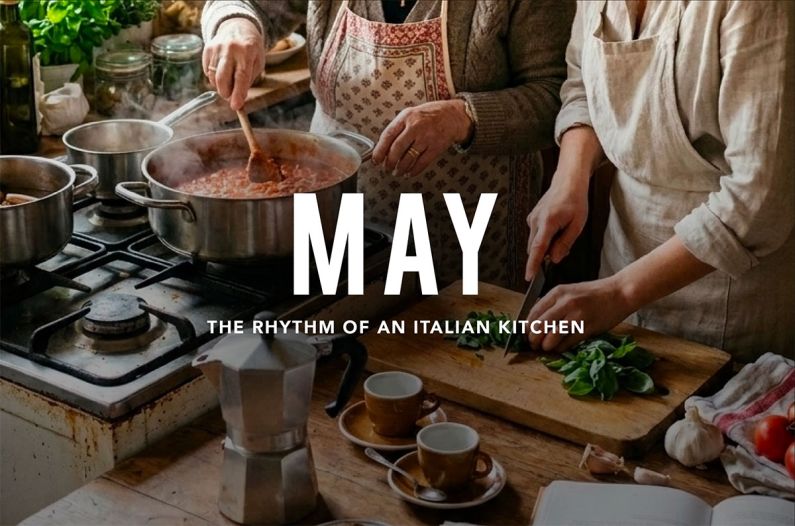
There is a quiet confidence in the way Italians cook. It does not come from precision or complexity, but from familiarity built over time.
Most meals do not begin with a detailed plan. They begin with what is already in the kitchen. Ingredients that are known, used often, and understood well enough that they do not need to be measured or questioned. Cooking becomes less about following steps and more about recognising what a dish needs as it comes together. This is where the difference lies.
Rather than assembling a list of components and working through them methodically, Italian cooking tends to unfold more naturally. A pan is warmed, olive oil added, something begins to soften. From there, the direction reveals itself. It is not improvised in a careless way, but guided by experience and familiarity.
At the heart of this approach is balance.
A good dish is not built around one dominant flavour, but around how each element supports the next. Olive oil brings richness and body. Tomatoes or wine introduce acidity. Salt enhances and connects everything. Occasionally, something subtle is added to deepen the flavour without announcing itself. The goal is not to highlight each component, but to bring them into alignment, so that nothing feels out of place.
This balance is not something that is measured precisely. It is adjusted as you go. A little more oil, a touch more acidity, a moment longer on the heat. These are small decisions, but they shape the final result.
Over time, this creates a sense of ease.
You begin to trust your instincts. You understand when something needs more time, when it needs to be left alone, and when it is ready. Cooking becomes less about control and more about awareness.
Time itself plays an important role in this process. Not in the sense of effort, but in allowing food to develop properly. A sauce is given the space to simmer gently. A dish is allowed to settle before it is served. Nothing is rushed unnecessarily, because there is an understanding that flavour builds gradually.
Simplicity holds everything together.
This does not mean basic or lacking, but rather focused. A few ingredients, prepared well, will always be more satisfying than something overworked or overcomplicated. Each addition is intentional, not decorative.
And then, naturally, the process moves to the table.
Because cooking is not separate from eating. It leads into it. The meal becomes part of a longer moment, something shared, something that extends beyond what is on the plate. Time slows slightly. Conversation takes over. The food becomes part of a larger experience.
Even what remains is not treated as waste.
Leftovers are seen differently. They are not discarded, but reworked. A sauce becomes something new the next day. Cooked vegetables are folded into another dish. This continuity is part of the rhythm of the kitchen.
In the end, Italian cooking is not about perfection or performance. It is about familiarity, balance, and a quiet understanding of what works.
And once you begin to cook this way, it becomes difficult to return to anything else.